Understanding Mini Split Air Conditioners
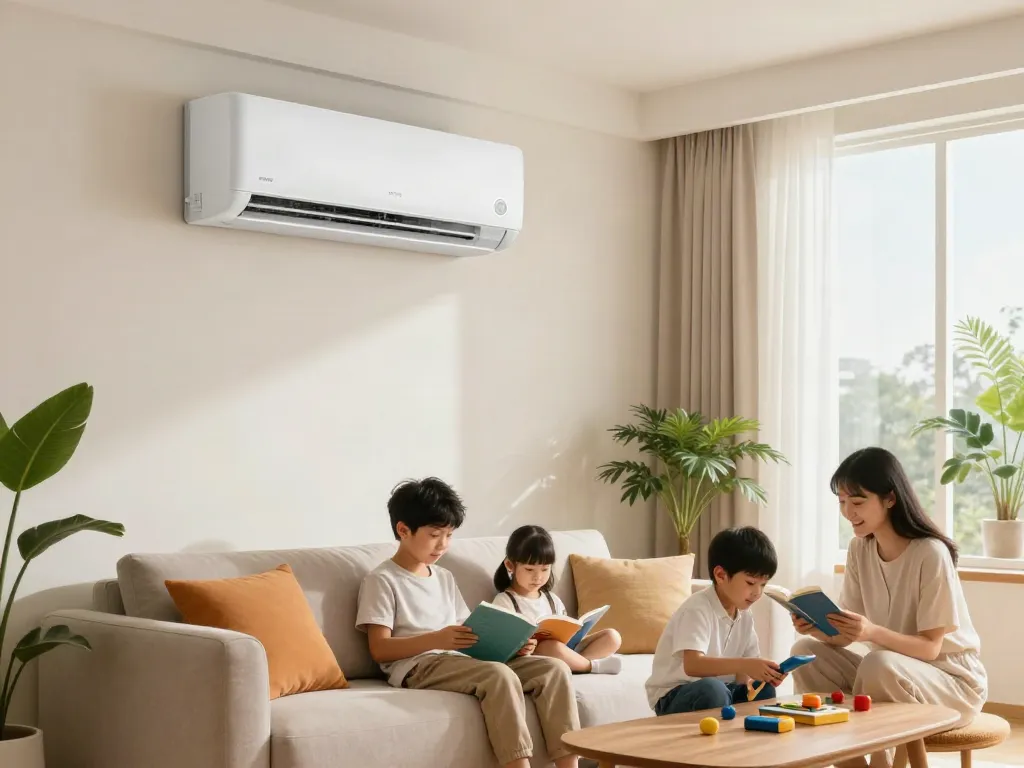
Mini split air conditioners have surged in popularity due to their efficiency and versatility, making them an ideal choice for modern homes and businesses. These systems provide both heating and cooling solutions, offering excellent control over indoor climates without the need for extensive ductwork. When exploring options, a mini split air conditioner can significantly improve your comfort while reducing energy consumption.
What is a Mini Split Air Conditioner?
A mini split air conditioner, often known as a ductless system, consists of an outdoor compressor unit and one or more indoor air handling units. This design allows for targeted heating and cooling in specific areas of a home or business. Unlike traditional HVAC systems that rely on ducts to distribute air, mini splits use refrigerant lines, which makes them more efficient and easier to install in various settings.
Advantages of Mini Split Systems
- Energy Efficiency: Mini splits typically have higher Seasonal Energy Efficiency Ratio (SEER) ratings compared to conventional air conditioning systems. This translates to lower energy bills.
- Flexible Installation: Their compact design allows for installation in spaces where ductwork would be impractical or costly.
- Zoned Control: Mini splits enable different temperature settings in different rooms, enhancing comfort for occupants with varying preferences.
- Quiet Operation: Many models operate at low decibel levels, ensuring a peaceful environment.
Common Misconceptions About Mini Splits
Despite their advantages, several misconceptions persist regarding mini split air conditioners. For instance, some people believe that they are only suitable for small spaces. In reality, mini splits come in a variety of capacities and can efficiently cool or heat large areas when correctly sized. Another common myth is that they are too expensive upfront. While the initial investment may be higher than traditional systems, the long-term savings on energy bills and maintenance can make them more economical overall.
Choosing the Right Size for Your Space
How to Determine BTU Requirements
Choosing the right size for your mini split air conditioner depends on accurately determining the required British Thermal Units (BTUs) for your space. A rule of thumb is to allow 20 BTUs for each square foot of living space. However, factors such as ceiling height, insulation quality, and local climate also play crucial roles in calculating the appropriate BTU capacity.
Room Size and Layout Considerations
When assessing room size, consider both the area and layout. Larger rooms or those with an open floor plan may need multiple units to achieve uniform cooling. Additionally, rooms with large windows or those facing the sun may require more BTUs due to heat gain.
Common Sizing Mistakes to Avoid
- Under-sizing: Installing an under-sized unit can lead to insufficient cooling and higher energy consumption.
- Over-sizing: Conversely, a unit that is too large will cool the space too quickly, leading to increased humidity and discomfort.
- Neglecting Room Features: Failing to account for features such as appliances that generate heat or additional heat sources like fireplaces can skew your BTU requirements.
Installation Insights and Best Practices
Professional vs. DIY Installation
While some homeowners may consider installing a mini split system themselves, professional installation is recommended. Certified technicians ensure that the system is properly sized, installed, and calibrated, reducing the risk of future issues.
Key Installation Steps for Mini Splits
- Site Assessment: A professional will evaluate your space to determine the best locations for the indoor and outdoor units.
- Mounting the Indoor Unit: The indoor unit should be installed high on a wall to promote optimal airflow.
- Connecting Refrigerant Lines: Proper line set installation is crucial for efficient operation and should follow manufacturer guidelines.
- Electrical Hookup: A licensed electrician should connect the system to your home’s electrical supply.
- System Testing: After installation, the system should be tested to ensure it operates correctly and efficiently.
Common Installation Pitfalls
Homeowners should avoid common pitfalls such as improper placement of the indoor unit, inadequate insulation of refrigerant lines, and overlooking the need for drainage. Each of these can compromise the efficiency and effectiveness of the system.
Energy Efficiency and Operating Costs
Understanding SEER Ratings
The SEER rating measures the cooling output of an air conditioner over a typical cooling season divided by the total electric energy input during that same time. Higher SEER ratings indicate more efficient systems. When selecting a mini split, aim for models with a SEER rating of 16 or higher for optimal energy savings.
Comparing Energy Costs Over Time
While mini splits may have a higher initial cost, their energy efficiency often results in substantial savings over time. For instance, a home with a traditional air conditioning system may spend approximately $150-$200 on monthly cooling costs, while a mini split can reduce this figure significantly.
Tips for Reducing Energy Consumption
- Regular Maintenance: Schedule annual maintenance to keep your system operating efficiently.
- Use Programmable Thermostats: Set temperature schedules to avoid unnecessary energy use when you are not home.
- Seal Leaks: Ensure that windows and doors are sealed to reduce heat gain and loss.
- Utilize Fans: Use ceiling fans to circulate air and enhance comfort without over-relying on your mini split.
Future Trends in Mini Split Technology
Innovations to Watch in 2026
As the demand for eco-friendly appliances increases, manufacturers are continuously innovating. In 2026, expect to see mini split air conditioners featuring advanced inverter technology for even greater efficiency and quieter operation. Additionally, greater customization options will provide homeowners with improved aesthetics and functionality.
Smart Mini Split Features
With the rise of smart home technology, many new mini splits will include Wi-Fi capabilities, allowing users to control their systems remotely via smartphone apps. This feature not only enhances convenience but also enables more precise energy management.
Expectations for Pricing and Efficiency Improvements
As technology advances, mini split systems are likely to become more affordable while still improving efficiency. New refrigerants with lower global warming potential will also become mainstream, helping to meet stricter environmental regulations.
What Maintenance is Needed?
Maintaining a mini split air conditioner involves regular cleaning of the filters, checking refrigerant levels, and ensuring that the outdoor unit is free from debris. Homeowners should also schedule professional inspections annually to preserve system performance.
How to Troubleshoot Common Issues?
If your mini split isn’t cooling as expected, check for dirty filters, ensure that the outdoor unit is clear of obstacles, and verify the thermostat settings. If problems persist, consulting a professional is advisable.
Are Mini Splits Worth the Investment?
Considering the long-term energy savings, flexibility in installation, and improved comfort, mini split air conditioners represent a wise investment for both homeowners and businesses. With their capacity to adapt to any situation, these systems can enhance the quality of your indoor environment year-round.